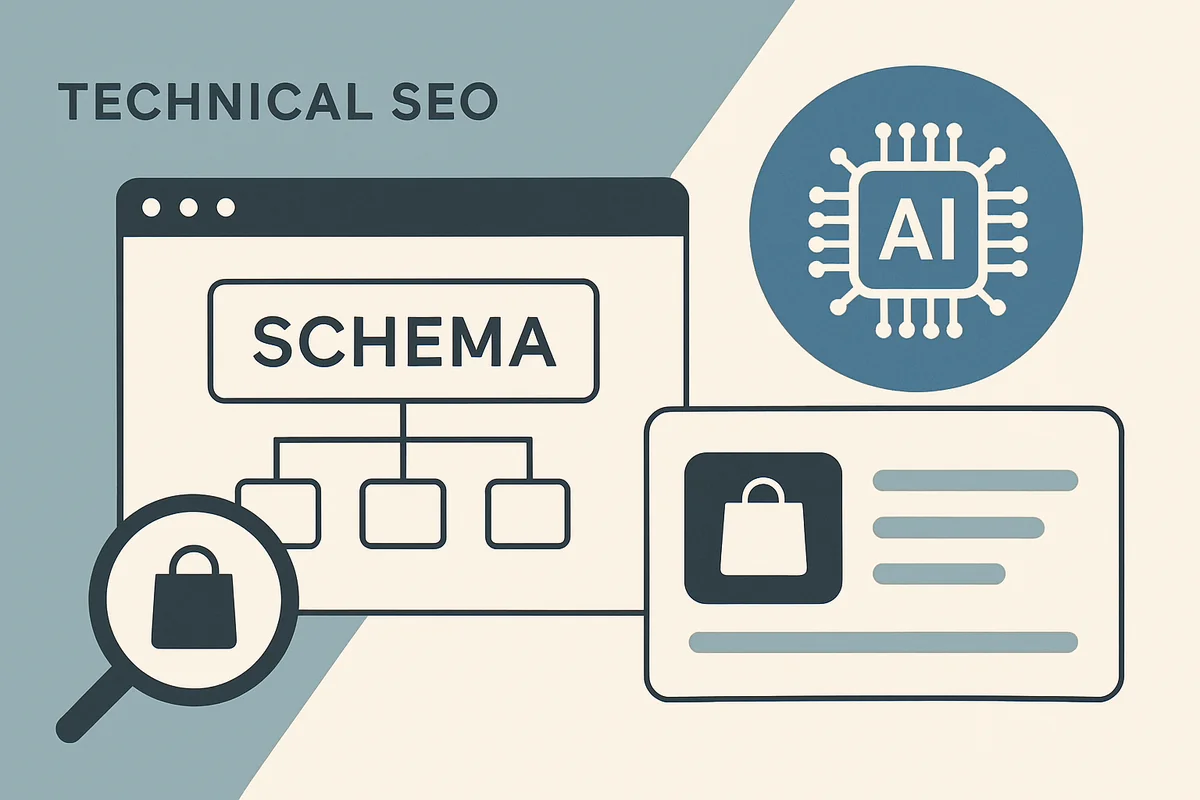
As artificial intelligence transforms search results in 2026, product knowledge panels have become critical real estate for e-commerce businesses and product manufacturers. These AI-generated panels, which appear prominently in search results, can dramatically increase product visibility and drive qualified traffic to your website. The key to securing placement in these coveted spots lies in implementing comprehensive schema markup that helps AI systems understand and categorize your product information.
The stakes couldn't be higher for businesses selling products online. Recent data shows that products appearing in AI knowledge panels receive up to 300% more click-through rates compared to traditional search listings. Yet many website owners struggle with the technical implementation required to optimize for these AI-powered features. This comprehensive guide will walk you through the exact steps needed to leverage schema markup effectively for product knowledge panels.
Throughout this article, we'll cover the essential schema types for products, implementation strategies that work in 2026's AI landscape, common mistakes that prevent panel appearances, and advanced techniques for maximizing your visibility. By the end, you'll have a complete roadmap for optimizing your product pages to capture valuable knowledge panel placements in AI search results.
Understanding AI-Powered Product Knowledge Panels
Product knowledge panels represent a fundamental shift in how search engines present commercial information to users. Unlike traditional search results that simply list web pages, these AI-generated panels aggregate product data from multiple sources to create comprehensive, structured displays. The panels typically include product images, pricing information, availability status, reviews, specifications, and related products – all presented in an easily digestible format.
The technology behind these panels relies heavily on structured data markup to understand product attributes and relationships. AI systems scan websites for Schema.org Product markup and use this information to populate knowledge panel content. This means that websites with properly implemented schema have a significant advantage in securing panel placements over those relying solely on unstructured content.
What makes these panels particularly valuable is their prominent placement in search results. They often appear above traditional organic listings and include rich visual elements that capture user attention immediately. For product searches, these panels have become the primary way users discover and evaluate products, making optimization essential for competitive visibility.
The evolution toward AI-powered results also means that search engines are becoming more sophisticated in their ability to understand product context and user intent. This creates opportunities for businesses that provide comprehensive, accurate schema markup to gain visibility for related searches and long-tail keywords that might not have been accessible through traditional SEO approaches.
Essential Schema Types for Product Optimization
Successful product knowledge panel optimization requires implementing multiple interconnected schema types that work together to provide comprehensive product information. The foundation starts with the core Product schema, which includes essential properties like name, description, image, brand, and model. However, modern AI systems expect much more detailed information to generate rich knowledge panels.
The Offer schema plays a crucial role in product panels by providing pricing, availability, and purchasing information. This schema type should include properties such as price, priceCurrency, availability, seller information, and valid dates for offers. AI systems use this data to display current pricing and availability status, making it essential for e-commerce optimization. Additionally, implementing AggregateRating schema helps establish product credibility by displaying review scores and review counts directly in knowledge panels.
Brand schema adds another layer of authority and context that AI systems value highly. By properly marking up brand information with properties like name, logo, and description, you help search engines understand the relationship between products and their manufacturers. This can lead to enhanced panel displays that include brand logos and additional brand-related information.
For products with variations such as different colors, sizes, or configurations, implementing ProductModel and ProductGroup schemas becomes essential. These schemas help AI systems understand product relationships and can result in knowledge panels that showcase multiple product variants. The key is ensuring that each variation has its own structured data while maintaining clear relationships between related products through proper schema implementation.
Implementation Strategies for Maximum AI Visibility
Effective schema implementation for AI knowledge panels requires a strategic approach that goes beyond basic markup. The most successful implementations use JSON-LD format, which Google recommends for its flexibility and ease of maintenance. JSON-LD allows you to include comprehensive product information without cluttering your HTML, making it ideal for complex product schemas.
When implementing product schema, focus on completeness and accuracy rather than minimal compliance. AI systems favor websites that provide rich, detailed information across all relevant schema properties. This means including high-quality images with proper image schema, detailed product descriptions, comprehensive specification data, and accurate categorization using the appropriate product categories from Schema.org's vocabulary.
Dynamic schema generation becomes particularly important for large product catalogs. Rather than manually creating schema for each product, implement systems that automatically generate structured data from your product database. This ensures consistency across your entire catalog while making it easier to maintain accuracy as product information changes. Tools like Google's Structured Data Testing Tool should be used regularly to validate your implementation.
Testing and monitoring your schema implementation is crucial for maintaining AI visibility. Use Google Search Console's Rich Results report to track how your structured data performs and identify any errors that might prevent knowledge panel appearances. Additionally, monitor your competitors' knowledge panel appearances to understand what schema elements might be missing from your own implementation. The AI landscape evolves rapidly, so regular auditing ensures your markup stays current with the latest requirements and opportunities.
Advanced Schema Techniques for Enhanced Panel Features
Beyond basic product markup, advanced schema techniques can unlock additional knowledge panel features that provide competitive advantages. Implementing FAQ schema alongside product information can result in panels that include commonly asked questions about your products. This is particularly valuable for complex or technical products where users typically have specific questions before making purchasing decisions.
Video schema integration has become increasingly important as AI systems prioritize multimedia content in knowledge panels. By properly marking up product demonstration videos, unboxing content, or instructional materials with VideoObject schema, you increase the likelihood of having video content featured directly in knowledge panels. This creates more engaging panel displays that can significantly improve click-through rates.
Local business schema becomes essential for products sold through physical retail locations. Implementing Store and LocalBusiness schemas alongside product information helps AI systems understand where products can be purchased offline. This can result in knowledge panels that include local availability information, store locations, and even inventory status for nearby retailers.
Sustainability and certification information is gaining importance in AI knowledge panels as consumers become more environmentally conscious. Implementing Certification schema for products with eco-friendly credentials, safety certifications, or quality standards can result in enhanced panel displays that highlight these differentiators. This advanced markup helps products stand out in competitive categories where certifications provide significant value to consumers.
Common Implementation Mistakes and Solutions
One of the most frequent mistakes in product schema implementation is incomplete or inconsistent data across schema properties. Many websites implement basic product information but fail to include crucial elements like detailed specifications, proper categorization, or comprehensive offer information. AI systems require rich, complete data to generate knowledge panels, so partial implementations often result in missed opportunities for panel placement.
Incorrect schema nesting and relationships represent another common pitfall that prevents effective AI interpretation. For example, failing to properly nest Offer schema within Product schema, or incorrectly linking related products through ProductGroup relationships. These structural errors can cause AI systems to misinterpret product information or fail to recognize important product attributes entirely.
Image optimization within schema markup is frequently overlooked, yet it's critical for knowledge panel appearances. Many implementations include low-quality images, incorrect image URLs, or fail to implement proper ImageObject schema with required properties like contentUrl, width, and height. Since knowledge panels are highly visual, proper image markup is essential for securing prominent placements.
Outdated or inaccurate pricing and availability information in schema markup can actually harm your knowledge panel performance. AI systems prioritize fresh, accurate data, so failing to update offer information regularly can result in reduced visibility or complete removal from knowledge panels. Implementing automated systems to keep schema data synchronized with your current inventory and pricing systems is essential for maintaining consistent AI visibility.
Measuring Success and Optimizing Performance
Tracking the success of your schema implementation for AI knowledge panels requires monitoring multiple metrics beyond traditional SEO measurements. Knowledge panel appearances don't always generate direct clicks to your website, but they significantly impact brand visibility and purchase consideration. Use Google Search Console to monitor impressions and clicks specifically from rich results and knowledge panels.
Brand search volume often increases significantly after consistent knowledge panel appearances, as users who discover products through panels later search for your brand directly. Monitor branded search trends using tools like Google Trends to understand the broader impact of your knowledge panel optimization efforts. Additionally, track assisted conversions in Google Analytics to understand how knowledge panel exposures contribute to eventual purchases through other channels.
Competitive analysis becomes crucial for understanding knowledge panel performance in your product categories. Regularly search for your key products and analyze which competitors appear in knowledge panels, what information they display, and how their schema implementation differs from yours. This intelligence helps identify optimization opportunities and ensures your implementation remains competitive as AI algorithms evolve.
Continuous optimization based on performance data ensures long-term success in AI search results. A/B testing different schema implementations, expanding markup to include additional product attributes, and refining image and content quality based on panel performance data. The AI landscape changes rapidly, so maintaining an iterative approach to schema optimization helps capture new opportunities as they emerge in the evolving search environment.
FAQ
What is the minimum schema markup required for product knowledge panels?
At minimum, you need Product schema with name, image, description, and brand properties, plus Offer schema with price, priceCurrency, and availability. However, AI systems favor more comprehensive implementations that include additional properties like reviews, specifications, and detailed product categories for better knowledge panel placement opportunities.
How long does it take for schema changes to appear in AI knowledge panels?
Schema changes typically take 2-4 weeks to be fully processed by AI systems, though simple updates like pricing changes may appear within days. The timeline depends on your website's crawl frequency, the complexity of changes, and how established your existing schema implementation is with search engines.
Can I use schema markup for digital products and services?
Yes, schema markup works for digital products using the same Product schema foundation. For digital products, focus on SoftwareApplication schema for apps and software, or use Service schema for digital services. Include properties like operatingSystem, applicationCategory, and offers with digital delivery information.
Do I need different schema for product variations like different colors or sizes?
Product variations should use ProductModel schema for individual variants connected through ProductGroup schema for the main product family. Each variation needs its own complete schema implementation while maintaining clear relationships to the parent product group for optimal AI understanding.
What happens if my competitors also implement comprehensive product schema?
When multiple competitors have good schema implementation, AI systems typically rotate knowledge panel appearances or show multiple products in expanded panels. Focus on schema completeness, data accuracy, review scores, and unique product attributes to maintain competitive advantage in these scenarios.
Key Implementation Takeaways
Successfully leveraging schema markup for product knowledge panels in AI results requires a comprehensive approach that goes far beyond basic implementation. The most effective strategies combine complete product schema with supporting markup types like Offer, Brand, and AggregateRating to create rich, detailed product profiles that AI systems can easily understand and feature prominently.
The technical implementation must prioritize accuracy, completeness, and regular maintenance to stay competitive in the rapidly evolving AI search landscape. Automated schema generation, regular testing with structured data tools, and continuous monitoring through Search Console ensure your markup remains effective as algorithms and requirements change throughout 2026 and beyond.
Remember that schema optimization for AI knowledge panels is an ongoing process rather than a one-time implementation. Stay current with Schema.org updates, monitor competitor strategies, and continuously expand your markup to include new product attributes and features as they become available. This proactive approach will help maintain and improve your visibility in AI-powered search results as the technology continues to advance.