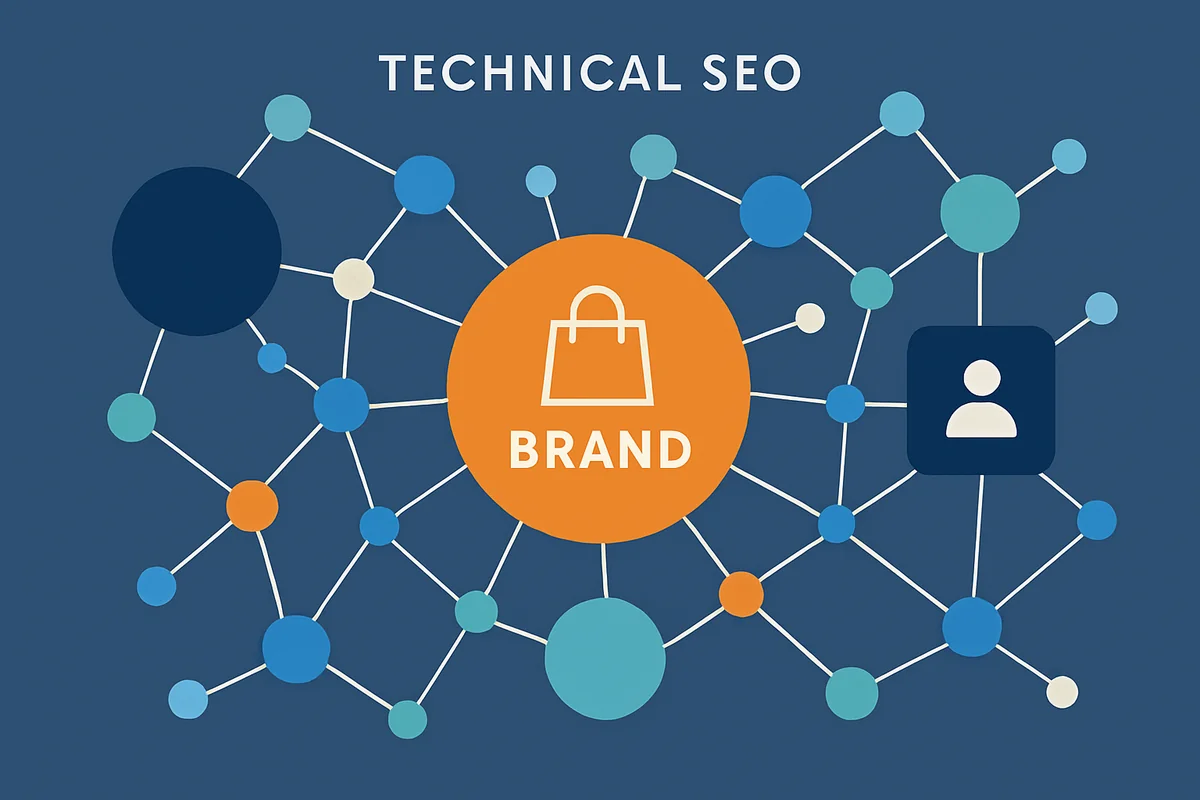
In 2026, AI-powered search engines rely heavily on knowledge graphs to understand and present information about brands, products, and services. Building strong brand entities within these knowledge graphs has become essential for digital visibility and search performance. When search engines like Google, Bing, and emerging AI platforms can clearly identify and understand your brand as a distinct entity, they're more likely to surface your content in relevant searches and AI-generated responses.
The stakes couldn't be higher for website owners today. Brands that fail to establish clear entity signals risk being overlooked by AI systems that increasingly power search results, voice assistants, and recommendation engines. Meanwhile, companies with well-defined brand entities enjoy enhanced visibility, improved click-through rates, and stronger positioning in competitive markets.
This comprehensive guide will walk you through the essential steps for building robust brand entities, from implementing structured data markup to optimizing entity relationships across the web. You'll learn practical techniques for schema implementation, content optimization strategies, and advanced tactics for strengthening your brand's presence in AI knowledge graphs.
Understanding Brand Entities and Knowledge Graphs
Brand entities represent your business as a distinct, recognizable object within AI knowledge graphs. Unlike simple keyword matching, entity-based understanding allows AI systems to comprehend relationships between your brand, products, services, locations, and key personnel. This semantic understanding forms the foundation of how modern search engines and AI platforms interpret and present information about your business.
Knowledge graphs function as vast interconnected databases where entities are linked through relationships and attributes. When you search for a major brand like Nike, the AI doesn't just match keywords – it understands Nike as a specific entity connected to athletic wear, specific product lines, retail locations, sponsorships, and key executives. This entity-based approach enables more accurate, contextual responses to user queries.
Recent developments in 2026 have shown that Google's structured data guidelines place increasing emphasis on entity clarity and relationship mapping. Search engines now evaluate entity strength based on consistency across multiple data sources, the depth of entity relationships, and the quality of structured markup implementation.
For website owners, this shift means that traditional SEO tactics alone are insufficient. Your brand must exist as a well-defined entity with clear attributes, relationships, and supporting evidence across the web. This requires strategic implementation of structured data, consistent NAP (Name, Address, Phone) information, and deliberate content strategies that reinforce entity relationships.
Implementing Schema Markup for Brand Identity
Schema markup serves as the primary language for communicating brand entity information to AI systems. The Organization schema type provides the foundational structure for brand entities, allowing you to define essential attributes like legal name, alternate names, contact information, social media profiles, and organizational relationships. Proper implementation requires careful attention to completeness and accuracy, as inconsistent or incomplete markup can weaken entity signals.
The most effective approach involves implementing comprehensive Organization schema on your homepage and key landing pages. This markup should include your official business name, founding date, headquarters location, official website URL, and links to verified social media profiles. Additionally, consider implementing the "sameAs" property to connect your website with authoritative third-party profiles on platforms like LinkedIn, Facebook, and industry directories.
Advanced schema implementation goes beyond basic Organization markup to include related entity types. If your brand operates physical locations, implement LocalBusiness schema with precise geographic coordinates and operating hours. For product-focused brands, connect your Organization entity to Product schema markup that clearly defines your offerings and their relationships to your brand entity.
Here's an example of comprehensive Organization schema implementation:
{
"@context": "https://schema.org",
"@type": "Organization",
"name": "Your Brand Name",
"alternateName": ["Brand Nickname", "Common Abbreviation"],
"url": "https://yourdomain.com",
"logo": "https://yourdomain.com/logo.png",
"foundingDate": "2020-01-15",
"address": {
"@type": "PostalAddress",
"streetAddress": "123 Business Street",
"addressLocality": "City",
"addressRegion": "State",
"postalCode": "12345",
"addressCountry": "US"
},
"sameAs": [
"https://linkedin.com/company/yourbrand",
"https://facebook.com/yourbrand"
]
}
Validation and testing are crucial components of schema implementation. Use Google's Rich Results Test and the Schema Markup Validator to ensure your markup is syntactically correct and semantically meaningful. Regular monitoring helps identify and resolve markup issues that could weaken your entity signals over time.
Building Entity Relationships and Connections
Strong brand entities don't exist in isolation – they're defined by their relationships with other entities, including people, places, products, and concepts. Building these relationships requires strategic content creation and markup implementation that clearly establishes connections between your brand and related entities. This relationship mapping helps AI systems understand your brand's context, expertise areas, and market positioning.
Start by identifying key entities related to your brand, including founders and executives, primary business locations, main product categories, key customers or partners, and industry concepts or topics where your brand has expertise. Each of these relationships should be documented through both structured markup and natural content that reinforces the connections.
Person entities connected to your brand require special attention, as leadership and key personnel often serve as strong entity signals. Implement Person schema for executives and founders, clearly connecting them to your Organization entity through role-based relationships. Ensure these individuals maintain consistent professional profiles across platforms like LinkedIn, company websites, and industry publications.
Geographic entities play a crucial role in local and regional brand recognition. If your brand operates in specific locations, implement comprehensive LocalBusiness markup with precise coordinates, service areas, and location-specific content. For brands serving multiple markets, create location-specific pages with tailored schema markup that connects each location to the parent organization entity.
Product and service relationships require careful documentation through both schema markup and supporting content. Each major product line or service category should be clearly connected to your brand entity through Product or Service schema, with detailed descriptions that reinforce the relationship. Consider implementing Review and Rating markup to strengthen product-brand connections through customer feedback and testimonials.
Content Strategy for Entity Reinforcement
Content serves as the narrative foundation that supports and reinforces your brand entity signals. While schema markup provides the technical framework, high-quality content demonstrates expertise, builds topical authority, and creates the contextual relationships that AI systems use to understand your brand's position within knowledge graphs. Effective entity-focused content strategy requires deliberate planning around entity relationships and consistent messaging across all touchpoints.
Develop comprehensive brand story content that clearly establishes your entity's history, mission, and core attributes. This includes detailed About pages, founder stories, company timeline content, and mission statement materials that provide rich context for AI systems to understand your brand's identity and values. Ensure this foundational content includes natural mentions of related entities and uses consistent terminology for your brand and its offerings.
Topical authority building requires systematic content creation around your brand's core expertise areas. Identify the key topics and industry concepts where your brand should be recognized as an authority, then create comprehensive content hubs that demonstrate deep knowledge and unique insights. This content should naturally incorporate mentions of your brand alongside industry terms, competitor references, and related concepts.
Case studies and customer success stories provide powerful entity relationship signals by connecting your brand to specific outcomes, industries, and use cases. These narratives help AI systems understand the practical applications of your products or services while building associations between your brand and successful implementations. Include specific metrics, industry details, and outcome descriptions that create rich contextual relationships.
Regular publication of thought leadership content, such as industry analyses, trend predictions, and expert commentary, helps establish your brand as a recognized voice within your field. This content should reference current industry developments, cite relevant research, and position your brand's perspective alongside established industry concepts and entities. Tools like Ahrefs' content research features can help identify trending topics and content gaps in your industry.
Technical Implementation and Validation
Technical excellence in entity implementation requires systematic attention to markup accuracy, site architecture, and performance optimization. Beyond basic schema implementation, successful brand entity building involves comprehensive technical strategies that ensure AI systems can efficiently crawl, understand, and index your entity signals. This includes optimizing site structure, implementing proper canonical tags, and maintaining consistent technical standards across all entity-related content.
Site architecture should support clear entity hierarchies and relationships. Implement logical URL structures that reflect entity relationships, such as /about/leadership/ for executive profiles or /locations/city-name/ for geographic entities. Use internal linking strategies that reinforce entity connections, linking from main entity pages to related content and ensuring bidirectional link relationships where appropriate.
JSON-LD structured data implementation offers the most flexible and maintainable approach for complex entity markup. Unlike microdata or RDFa, JSON-LD allows for comprehensive entity descriptions without cluttering HTML content. Implement JSON-LD scripts in the document head or through Google Tag Manager for easier maintenance and updates. Ensure all JSON-LD markup validates correctly and includes appropriate @context declarations.
Performance optimization becomes critical when implementing extensive structured markup. Large JSON-LD scripts can impact page load times, so consider implementing conditional loading for complex markup or splitting entity data across multiple, focused scripts. Monitor Core Web Vitals metrics to ensure entity implementation doesn't negatively impact user experience or search performance.
Regular validation and monitoring should include automated checks for markup accuracy, consistency across pages, and alignment with current schema.org specifications. Implement monitoring systems that alert you to markup errors, missing entity data, or inconsistencies that could weaken entity signals. Use tools like Google Search Console to monitor rich result performance and identify opportunities for markup improvements.
Measuring and Optimizing Entity Performance
Effective entity optimization requires systematic measurement and continuous improvement based on performance data and AI system feedback. Unlike traditional SEO metrics, entity performance involves tracking brand recognition signals, knowledge graph inclusion, and entity-based search result appearances. This data-driven approach enables ongoing refinement of entity strategies and identification of optimization opportunities.
Monitor brand entity recognition through branded search performance, knowledge panel appearances, and entity-based rich results. Track improvements in branded search visibility, including increases in brand-related featured snippets, people also ask sections, and related entity suggestions. Use tools like SEMrush's brand monitoring features to track brand mention sentiment and entity association patterns across the web.
Knowledge graph inclusion can be assessed through direct searches for your brand name and related entities. Monitor whether your brand appears in knowledge panels, related entity suggestions, and AI-generated response content. Track the accuracy and completeness of information displayed in these knowledge graph features, noting any discrepancies that might indicate weak or conflicting entity signals.
Entity relationship strength can be evaluated through co-occurrence analysis and related search patterns. Monitor how often your brand appears alongside relevant industry terms, competitor mentions, and related concepts in search results and AI-generated content. This analysis helps identify successful entity associations and opportunities to strengthen weaker relationships through targeted content and markup optimization.
Performance optimization should focus on addressing identified gaps in entity coverage, improving markup accuracy and completeness, and strengthening weak entity relationships through targeted content creation. Regular audits of competitor entity strategies can reveal opportunities for differentiation and improvement in your own entity building efforts.
FAQ
How long does it take to see results from brand entity building efforts?
Brand entity recognition typically begins appearing within 2-4 weeks of implementing comprehensive schema markup, but full knowledge graph integration can take 3-6 months. The timeline depends on your brand's existing online presence, the consistency of your entity signals across platforms, and the frequency of content updates that reinforce entity relationships.
What's the difference between local business entities and brand entities?
Local business entities focus primarily on geographic location, operating hours, and local service delivery, while brand entities encompass the broader organizational identity, including products, services, leadership, and industry relationships. Many businesses need both – local entities for location-based searches and brand entities for broader recognition and authority building.
Can small businesses benefit from entity building, or is it only for large brands?
Small businesses can significantly benefit from entity building, often seeing proportionally larger improvements in search visibility. The key is focusing on local and niche entity relationships rather than trying to compete with large brands on broad industry terms. Consistent NAP information, local schema markup, and community relationship building are particularly effective for smaller businesses.
How do I handle entity building for multiple brands under one parent company?
Implement separate Organization schema for each brand while using the "parentOrganization" property to connect subsidiary brands to the parent entity. Each brand should maintain distinct entity signals, including separate social profiles, unique value propositions, and brand-specific content, while clearly documenting the corporate relationship through structured markup.
What are the most common mistakes that weaken brand entity signals?
The most frequent issues include inconsistent NAP information across platforms, incomplete or inaccurate schema markup, mixing multiple brands within single entity definitions, neglecting to connect related entities like key personnel or locations, and failing to maintain updated information when business details change. Regular audits help identify and resolve these consistency issues.
Maximizing Your Brand's AI Visibility
Building strong brand entities for AI knowledge graphs represents a fundamental shift in how businesses establish online authority and visibility. Success requires combining technical excellence in structured data implementation with strategic content creation that reinforces entity relationships and demonstrates expertise. The brands that invest in comprehensive entity building today will enjoy significant competitive advantages as AI systems become increasingly sophisticated in their entity understanding and presentation.
The key to sustainable entity building lies in maintaining consistency, accuracy, and comprehensiveness across all entity signals. This means regular audits of schema markup, continuous content creation that reinforces entity relationships, and ongoing monitoring of how AI systems interpret and present your brand information. As knowledge graphs evolve, brands with strong foundational entity signals will be best positioned to adapt and maintain visibility.
Start implementing these entity building strategies immediately, beginning with comprehensive Organization schema markup and expanding to include related entities and relationships. The sooner you establish clear entity signals, the more time AI systems have to recognize, understand, and properly represent your brand in knowledge graphs and search results.